
Irrigation System
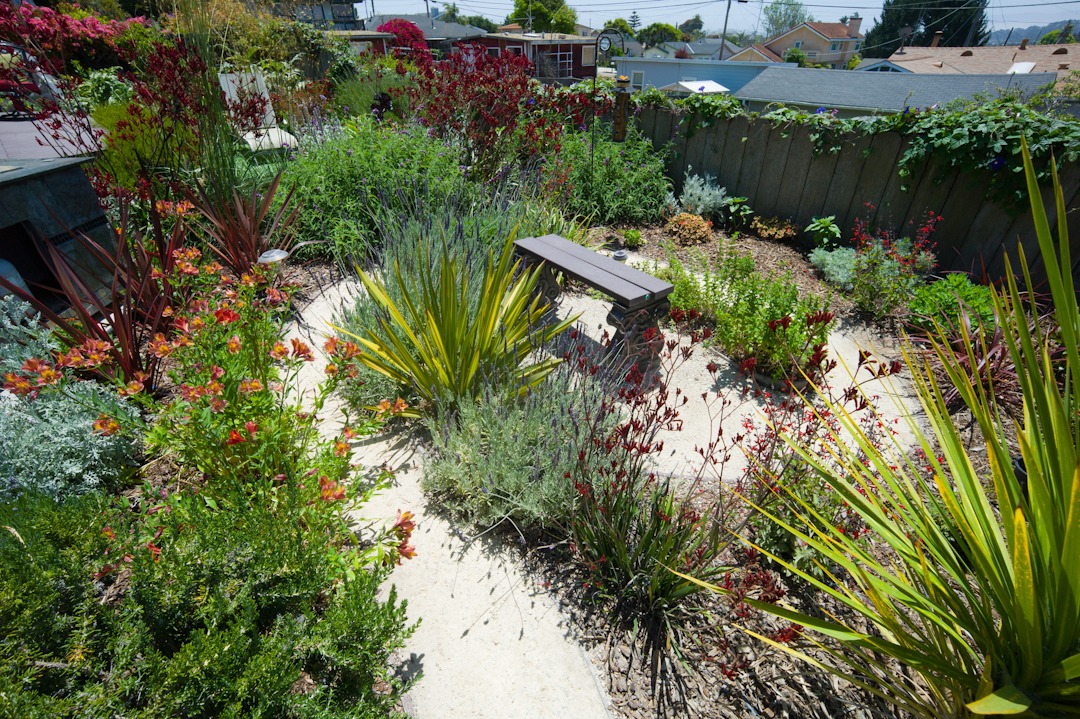
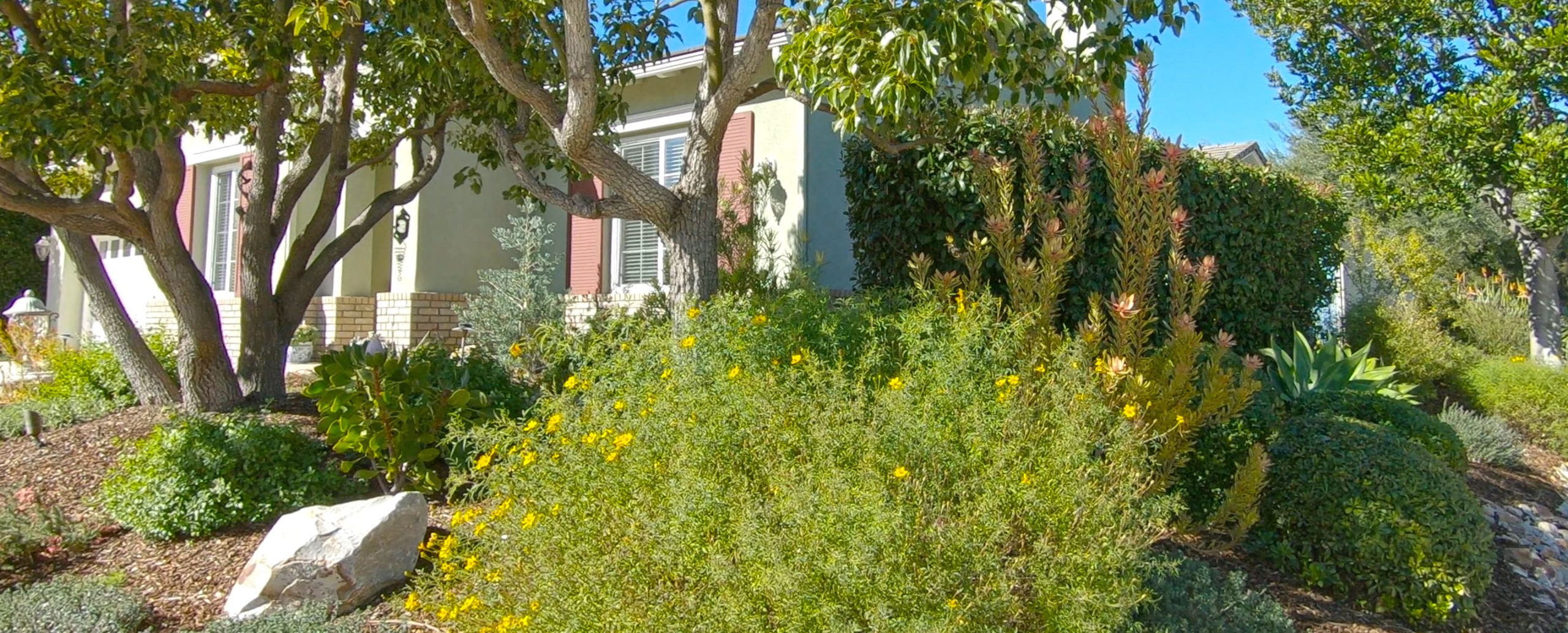
Landscape is a living art
From our decades of hands-on experience, we understand landscaping is a living art, and irrigation is how you keep that art beautiful. Irrigating with slightly used water is just better.

Advanced controller
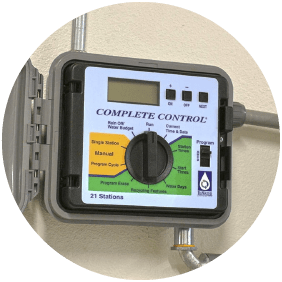
Our highly advanced controllers reuse your water as it becomes available according to your landscape’s needs. If your irrigation programs are not satisfied by midnight, it supplements the balance with city water.
A simple dial and three buttons with intuitive labeling let you benefit from 156 time-tested hard and soft functions. You can also operate conventional irrigation methods such as sprinklers and rotors if hard-piped for city water. There’s no need to purchase two controllers.
Professional installation
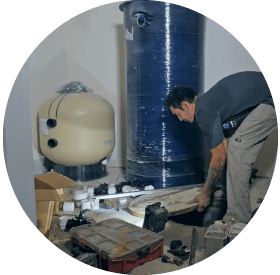
ReWater formerly held C27 Landscape Contractor’s License #798547 and provided full landscape installation services to customers who purchased our systems. We know how to help get this done correctly.
We encourage your professionals to watch ReWater’s technical support videos and to read our Owner’s Manual and Controller User’s Guide, available in English and Spanish. Technical support is also available via phone, email, and text for clients and their professionals.
Underground drip via specially designed emitters
Our underground emitters are the only emitters approved for untreated greywater and they have been proven to work for nearly four decades.
Underground drip irrigation is well documented to save 30% to 60% on water use. It also eliminates run-off, the leading cause of water pollution on the coast, and by keeping the surface dry, it reduces new weed growth.
Chapter 15, Section 1502 of the California Plumbing Code contains numerous requirements for both greywater filters and the drip emitters that must be used downstream. LADBS refuses to enforce these necessary code requirements, thus every other company’s systems clog downstream in the irrigation part of their system.
Once their emitters’ small orifices are clogged, there’s no way to unclog them, and their system is worthless.
Root-proof design
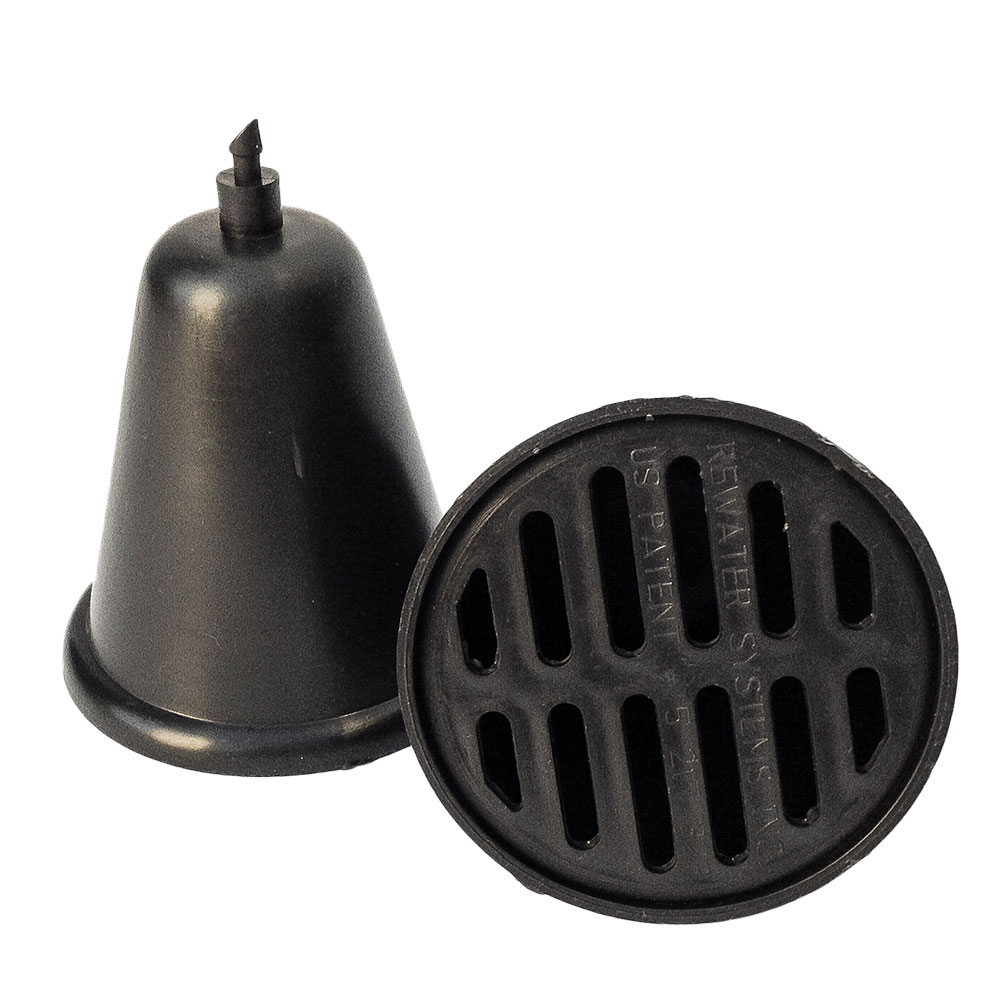
To defeat root intrusion, our emitters have an air-gap between the water orifice on top and the screen interface below, separating soil from the top of the emitter. When irrigation stops, gravity pulls the water down and air follows, resulting in an air-gap inside the emitters that inhibits roots from growing into the orifice. Roots can come inside the emitter to feed on the water and nutrients, but inside the emitter, they become aqueous to better absorb their liquid food.
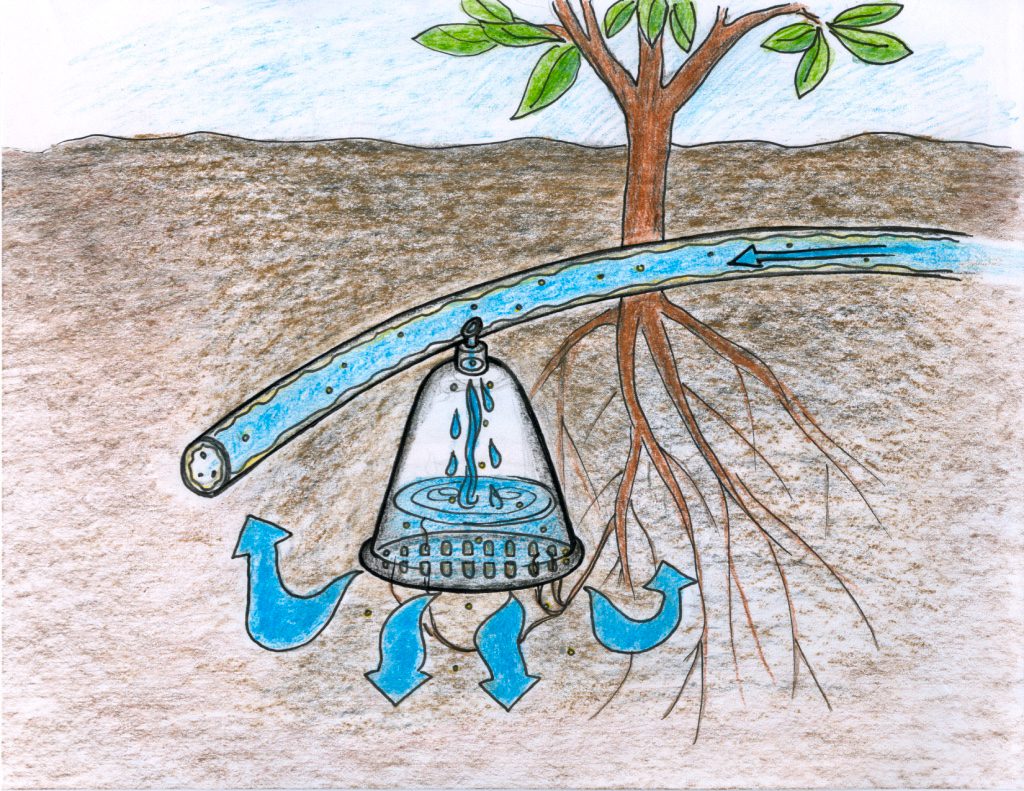
This process was documented by the Center for Irrigation Technology at CSU Fresno in 1993 as required by the California greywater code then, Appendix G of the California Plumbing Code, now Chapter 15. Other emitters rely on toxic chemicals, copper, and invariably expensive maintenance to defeat root intrusion.